Religious Deconstruction
Online and In-Person Counseling for
Complex Trauma, Faith Transitions, and More
Religious Deconstruction & Faith Transitions
Living in a culture where your community, family, and identity are all woven into a single religious tapestry makes questioning that system feel like pulling a thread that might unravel your entire world. Whether you are navigating a "middle path," experiencing a full faith transition, or processing the aftermath of leaving the LDS church, the impact is often much deeper than just a change in belief—it is a profound shift in how you belong.
Many of the people I work with are navigating the fallout of institutional betrayal. When a religious system sets itself up as a primary attachment figure—promising safety, belonging, and eternal security—disconnecting from it can trigger a significant PTSD response. It can feel like a relational betrayal or a divorce from your entire support system.
We can work through the complex layers of this transition together: the grief of losing or questioning parts of your identity, the weight of perfectionism and scrupulosity, and the "bishop roulette" that often leaves people feeling misunderstood or further harmed. My goal is not to pull you in any specific direction, but to help you find your own.
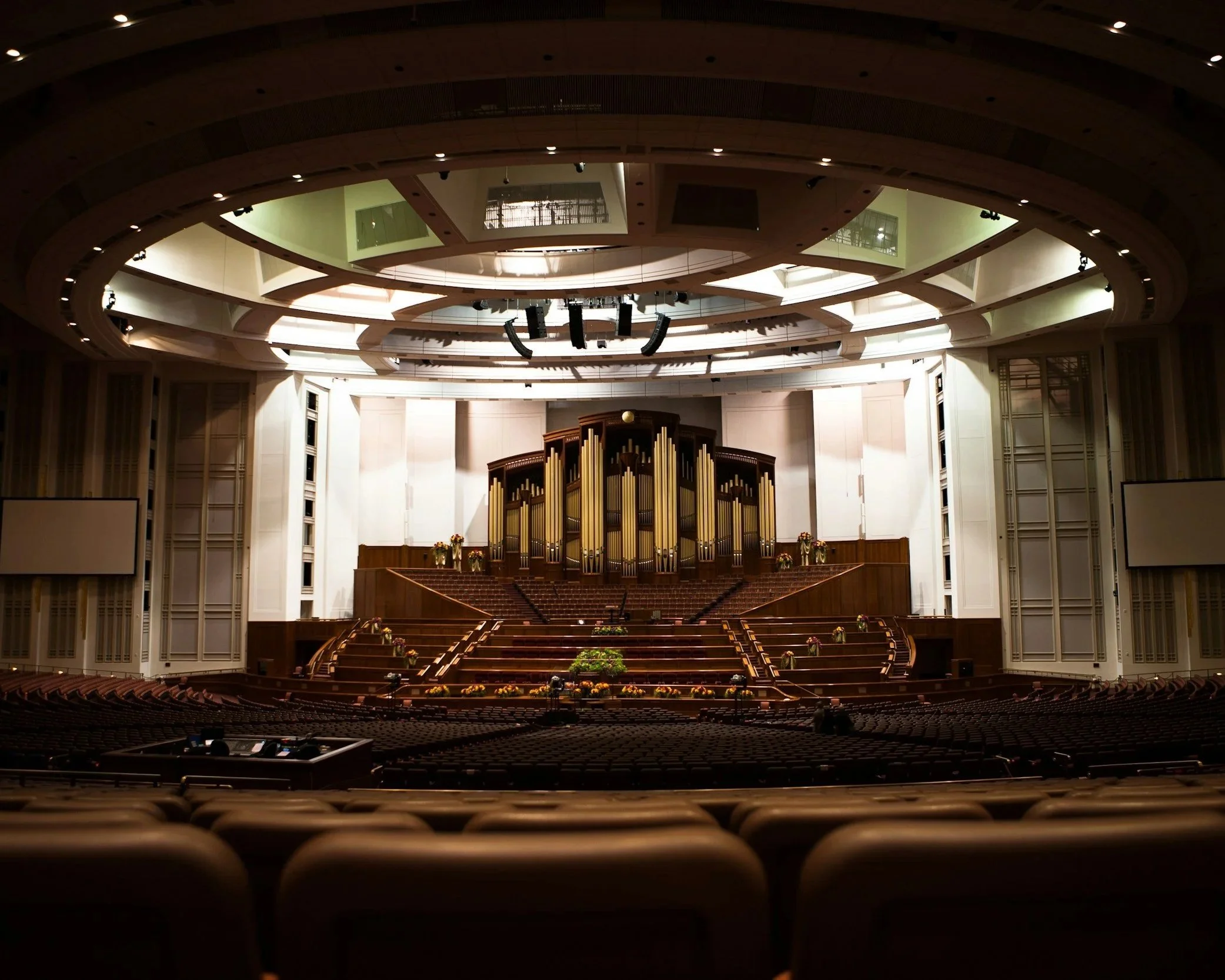


A lot of people find it helpful to process this in a group setting. Knowing you’re not alone and building safety within a community is often pivotal for ongoing healing. If you think this would help you, take a look at my Religious Trauma group.
What to Expect
Deconstruction is a grief process. We start by validating the very real trauma of losing a community and the existential crisis that follows. From there, we work on differentiation: separating the "shoulds" you were taught from the values that actually align with who you are now.
We often focus on:
Healing Scrupulosity: Moving away from fear-based perfectionism and toward emotional maturity and self-compassion.
Rebuilding Boundaries: Learning how to maintain relationships with family and community while establishing a separate, authentic identity.
Processing Betrayal: Acknowledging the pain of institutional policies or behaviors that didn't protect you when you needed it most.
Identity Reconstruction: Exploring what you actually believe and value when the external pressure to conform is removed.
I know the courage it takes to look at your history and ask hard questions. Whether you are looking for a way to stay on your own terms or a way to build a life entirely outside the pews, there is space for your process here.